Why Your Unsaved Family Doesn't Get Your Faith (And What You Can Do About It)

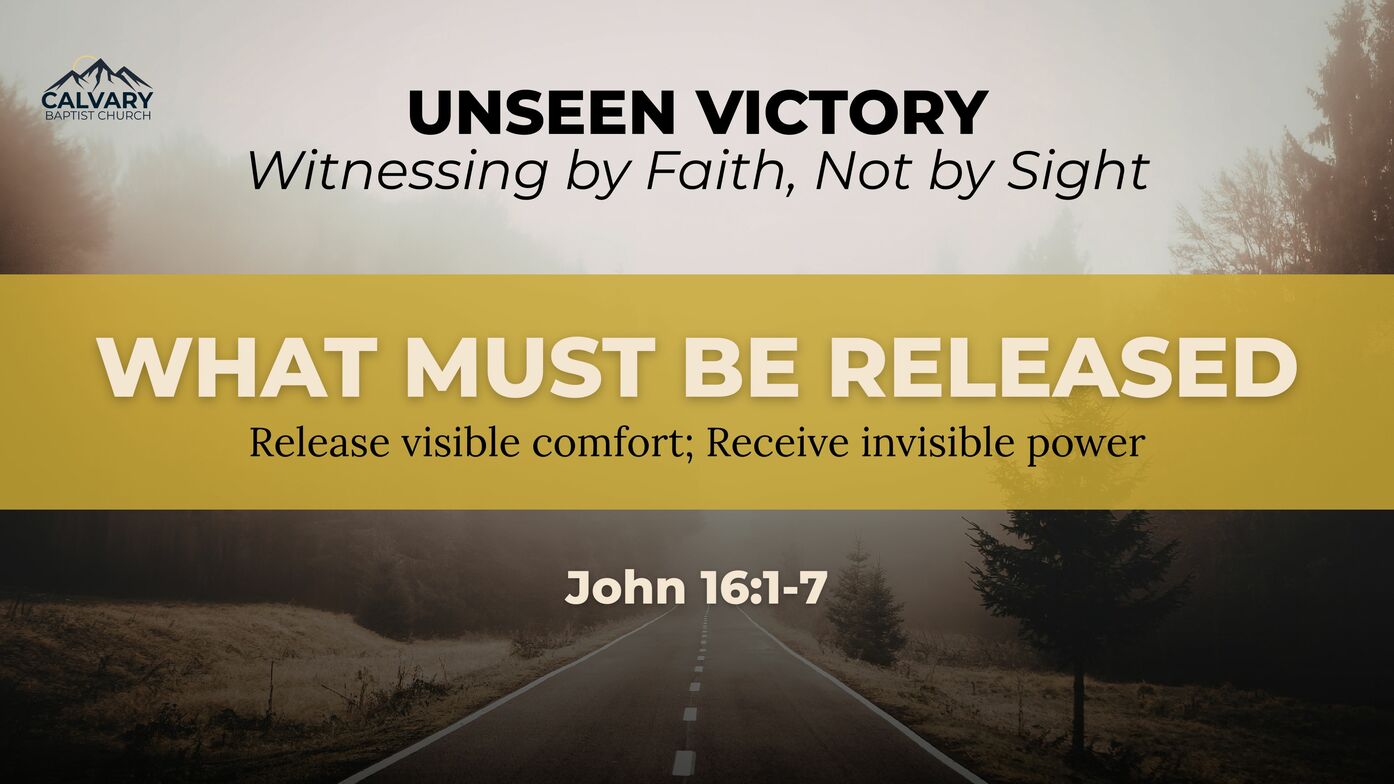
You've tried everything. You invited your brother to church. You sent him that podcast episode from your pastor. You even shared your testimony—the real, vulnerable version—over coffee. And each time, he politely deflected or got defensive.
Now you're wondering if you said something wrong. If you pushed too hard. If he's just being stubborn.
The guilt sits heavy. Maybe if I were a better Christian. Maybe if I had more biblical knowledge. Maybe if I weren't so awkward about it.
Then comes the harder thought: He just doesn't want to believe.
What if I told you the problem isn't stubbornness at all?
The Real Issue Isn't Rebellion—It's Blindness
Jesus warned His disciples about opposition from the world. He told them they would be thrown out of synagogues, persecuted, even killed. But before He told them what would happen, He explained why:
And these things will they do unto you, because they have not known the Father, nor me. (John 16:3)
Notice that word: known. Not "refused to know." Not "stubbornly rejected." But literally—they have not known. They cannot perceive. They are spiritually blind.
This is the breakthrough your heart needs to hear. When an unsaved family member, coworker, or friend pushes back against your faith, they're not operating from rebellion. They're operating from blindness. They genuinely cannot see what you see because they lack the spiritual eyes to see it.
Think about someone born without sight trying to understand color. If I spent an hour describing blue to them—how it feels like peace, how it reminds you of sky and water and endless possibility—my words would still fall short. Not because they're stubborn. Not because I'm a poor communicator. But because they lack the capacity to perceive color itself. That's what spiritual blindness looks like. It's not about information. It's about the ability to perceive truth.
Here's Where It Gets Liberating
Their blindness is not your failure.
How many nights have you replayed a conversation, wondering what you should have said differently? How many times have you second-guessed yourself, thinking, If I'd been smarter, or kinder, or more biblical, maybe he would have listened?
But Jesus didn't tell the disciples, "Explain things well enough and people will believe." He told them the core issue was spiritual blindness—a condition that no amount of brilliant argument or perfect delivery can overcome.
This doesn't mean you stop witnessing. It means you stop carrying their conversion as your personal burden. That's the Holy Spirit's job, not yours.
But these things have I told you, that when the time shall come, ye may remember that I told you of them. (John 16:4)
Jesus was saying: I'm warning you about this so you won't be shocked. When opposition comes—when people reject your faith—remember that it's because of spiritual blindness, not because your message is weak or your faith isn't genuine.
What Changes When You Understand This
Understanding spiritual blindness shifts something deep in how you relate to opposition.
First, you stop over-performing. You don't need to be the smartest Christian in the room. You don't need every theological answer locked and loaded. The blindness blocking your unsaved friend isn't a lack of information—it's a lack of spiritual sight. More facts won't fix it. Only God can open those eyes.
Second, you develop compassion instead of frustration. It's hard to stay angry at someone you see as blind rather than stubborn. Your brother didn't reject you. He rejected truth he literally cannot perceive. That's heartbreaking—yes. But it changes where your energy goes. Now it goes toward prayer and compassion, not toward frustration and self-blame.
Third, you pray differently. Instead of praying, "God, help me explain this better," you pray, "God, open his eyes. Heal his spiritual blindness." You shift from trying to convince to asking God to grant sight. That prayer aligns with reality—with how spiritual transformation actually happens.
What Spiritual Blindness Looks Like
When someone is spiritually blind, they cannot perceive God's truth no matter how clearly it's presented. They might:
- Mock your faith without realizing they're mocking what would save them
- Genuinely believe they're protecting you by discouraging your "obsession" with religion
- See your peace in Christ and interpret it as naiveté instead of spiritual power
- Hear the Gospel and feel threatened instead of drawn to it
None of this is personal stubbornness. None of it reflects on your witness. It's the condition of spiritual blindness speaking.
Jesus made this clear to the disciples, and He makes it clear to us: The resistance you face from unbelievers isn't because your witness is inadequate. It's because they cannot see.
Only One Thing Heals Spiritual Blindness
Here's what transforms everything: While you cannot give someone spiritual sight, God can.
Howbeit when he, the Spirit of truth, is come, he will guide you into all truth: for he shall not speak of himself; but whatsoever he shall hear, that shall he speak: and he will shew you things to come. (John 16:13)
The Holy Spirit—not you—is the One who reveals truth. He is the One who opens spiritual eyes. He is the One who convicts and convinces. Your job is simple: witness. Be faithful. Share Christ. Live your faith authentically.
The Spirit's job is to open the eyes of the blind.
When you separate these roles, relief floods in. You can witness without the crushing weight of making someone believe. You can love an unsaved family member without feeling responsible for their salvation. You can share your faith knowing that if they reject it, their rejection isn't personal—it's the result of blindness only God can heal.
Three Reflections for You
If you have an unsaved loved one, stop asking yourself, "What did I do wrong?" Ask instead: "Am I living in a way that reflects Christ's difference in my life?" Spiritual blindness can only be healed by God, but a transformed life testifies to His power more than words ever could.
If you've been discouraged from witnessing, remember this: Your hesitation often comes from demanding visible results. You're afraid because you want to see them believe now. But Jesus taught that faith means trusting in an outcome you cannot see. Trust the Spirit. Your faithfulness plants seeds; God brings the harvest.
If you feel guilty about an unsaved relationship, let it go. Their blindness is not your failure. Love them. Pray for them persistently. Live your faith genuinely. And trust God to do what only He can do.
The Question Before You
As you think about the unsaved people in your life, where is your trust placed? Are you trusting in your ability to explain, convince, and persuade? Or are you trusting in God's power to reveal Himself to them?
Understanding spiritual blindness frees you from an impossible burden. It doesn't mean you stop caring. It means you care in a way that actually aligns with reality—through the Spirit's work, not your performance. That's the difference between exhaustion and peace.